
standing vanity mirror with lights
Understanding Plug Ring Gauges Precision Tools for Quality Assurance In the world of manufacturing and machining, precision is paramount. Ensuring that components fit together with accuracy requires reliable measuring tools. One such tool that plays a vital role in verifying the dimensional correctness of internal features is the plug ring gauge. This article delves into the intricacies of plug ring gauges, their uses, importance, and how they contribute to quality assurance in various industries. What is a Plug Ring Gauge? A plug ring gauge is a cylindrical instrument designed to measure the diameter of holes, especially those that require high precision. The gauge consists of a plug with specific dimensions that can be inserted into holes of varying sizes. It is typically made from stable materials such as steel or carbide to withstand wear and maintain accuracy over time. The design comprises the 'go' and 'no-go' sections, allowing users to quickly determine whether a hole meets the required specifications. The 'go' side of the gauge should fit snugly into the hole, confirming that it is within tolerances. Conversely, the 'no-go' side is slightly larger, and if it fits, it indicates that the hole is oversized and does not meet the specified limits. This simple yet effective design allows for quick and reliable inspection, crucial for maintaining quality standards. Importance of Plug Ring Gauges The significance of plug ring gauges extends across various industries, including automotive, aerospace, and machinery . Here are some reasons why they are essential 1. Quality Control Plug ring gauges play a pivotal role in quality assurance processes. By ensuring that drilled or machined holes meet specific standards, manufacturers can prevent costly errors that arise from fitting issues. 2. Consistency Regular use of plug ring gauges helps maintain consistency across production runs. By standardizing measurements, manufacturers can ensure uniformity in product dimensions, which is critical, especially for components that must work together. plug ring gauge 3. Cost Efficiency Detecting dimensional discrepancies early in the manufacturing process helps reduce waste and rework. Plug ring gauges enable operators to quickly identify out-of-spec parts, minimizing the need for costly corrections down the line. 4. Simplicity and Speed Unlike complex electronic measuring devices, plug ring gauges provide rapid results that can be easily interpreted. Their straightforward design makes them user-friendly, allowing operators to perform checks without extensive training. Applications in Various Industries Plug ring gauges are utilized in a wide range of applications. In the automotive industry, for instance, these gauges ensure that engine components fit and function correctly. They verify the integrity of holes in engine blocks, allowing for precise assembly of various parts such as pistons and crankshafts. In aerospace, dimensional precision is even more critical due to the safety implications of component failure. Plug ring gauges are used to inspect the integrity of holes in various structural elements, ensuring they meet the stringent requirements necessary for flight safety. Machinery manufacturing also benefits from plug ring gauges, as they aid in maintaining the tolerances required for intricate pieces and assemblies. Whether it's for hydraulic systems or complex gear assemblies, ensuring proper fit and functionality is paramount. Conclusion In conclusion, plug ring gauges are indispensable tools in the arsenal of quality assurance mechanisms employed across numerous industries. Their ability to provide rapid and reliable measurements makes them essential for maintaining precision in manufacturing processes. As industries continue to evolve and demand higher levels of accuracy, the role of plug ring gauges will undoubtedly remain significant. Investing in high-quality gauges and training personnel to use them effectively can lead to improved product quality, reduced waste, and ultimately, a more profitable operation. The precise measurement capabilities of plug ring gauges ensure that businesses can meet customer requirements and uphold their reputations for quality in an increasingly competitive market.
about
standing vanity mirror with lights
Understanding Magnetic V Blocks and Their Working Mechanism Magnetic V blocks are essential tools in the field of machining, inspection, and assembly. These devices serve a crucial role in securely holding workpieces in place during various applications, ensuring precision and accuracy. The unique design of magnetic V blocks allows them to accommodate items of different shapes and sizes, particularly cylindrical and flat surfaces. In this article, we will delve into the construction, working mechanism, and diverse applications of magnetic V blocks. Construction of Magnetic V Blocks Magnetic V blocks are typically made from high-quality cast iron or steel, providing them with the necessary durability and stability. The V shape refers to the angled grooves that allow for the proper positioning of cylindrical items. This design enables the tools to grip the components firmly, minimizing the risk of slippage during machining processes. A key feature of magnetic V blocks is the inclusion of strong magnets, often permanent magnets or electromagnets, which create a powerful magnetic field. This feature secures the workpiece without the need for clamps or other fasteners, simplifying setup and increasing efficiency. The magnetic system can be activated or deactivated using a lever or switch, making it easy for operators to position and remove the workpiece as needed. Working Mechanism The working mechanism of magnetic V blocks revolves around the principles of magnetism. When the magnetic switch is activated, the magnets generate a strong magnetic field that adheres to the surface of ferromagnetic materials, such as steel. This holds the workpiece securely in place, providing a stable platform for machining, grinding, or measuring. The V-block design plays a critical role in the effectiveness of the tool. The angled surface ensures that the workpiece is not only held securely but also positioned correctly for operations. This configuration eliminates the possibility of misalignment, which can lead to defects in the end product. The versatility of magnetic V blocks allows them to be utilized in various orientations, whether horizontally or vertically, making them ideal for complex setups. Moreover, the reusable nature of these blocks reduces the need for additional fixtures, saving time and resources. magnetic v block working Applications of Magnetic V Blocks Magnetic V blocks are widely used in numerous applications across different industries . Their primary functions include 1. Machining In machining operations, magnetic V blocks provide a stable platform for holding cylindrical parts during turning, milling, and drilling processes. The secure grip prevents any movement that might compromise precision. 2. Measuring and Inspection Magnetic V blocks are commonly employed in metrology. They serve as a reference point for measuring cylindrical components with calipers, micrometers, or gauges. The stability offered by magnetic V blocks enhances measurement accuracy. 3. Welding and Assembly In welding operations, magnetic V blocks can hold pieces in alignment, allowing welders to focus on their work without needing additional clamps. This capacity improves productivity and helps achieve consistent results. 4. Assembly Line Use In manufacturing settings, magnetic V blocks simplify the assembly process, providing a quick and reliable way to hold parts in position without cluttering the workspace with multiple clamps or fixtures. 5. Education and Training Educational institutions and training facilities often utilize magnetic V blocks as instructional tools to demonstrate principles of machining and measurement. They aid in teaching students the importance of precision and the mechanics of machining processes. Conclusion Magnetic V blocks are indispensable tools in modern machining, measurement, and assembly processes. Their unique design, coupled with powerful magnetic capabilities, enables them to provide superior support and stability for a variety of workpieces. Whether in a high-precision workshop or a manufacturing assembly line, magnetic V blocks ensure that operations are performed with accuracy and efficiency. As technology continues to advance, these tools will undoubtedly maintain their relevance in the toolkit of any skilled machinist or engineer. Ultimately, understanding the workings and applications of magnetic V blocks will allow operators to optimize their usage, leading to improved performance and quality in their projects.
-

High quality industrial productsagement

High quality industrial products
View Details -

Meet the diverse needs of customers

Meet the diverse needs of customers
View Details -

Strict quality control

Strict quality control
View Details -

Top raw materials

Top raw materials
View Details -

Trusted supplier

Trusted supplier
View Details
Our application


news and information

use of thread gauge
The Use of Thread Gauges Ensuring Precision in Manufacturing In the world of manufacturing and engin
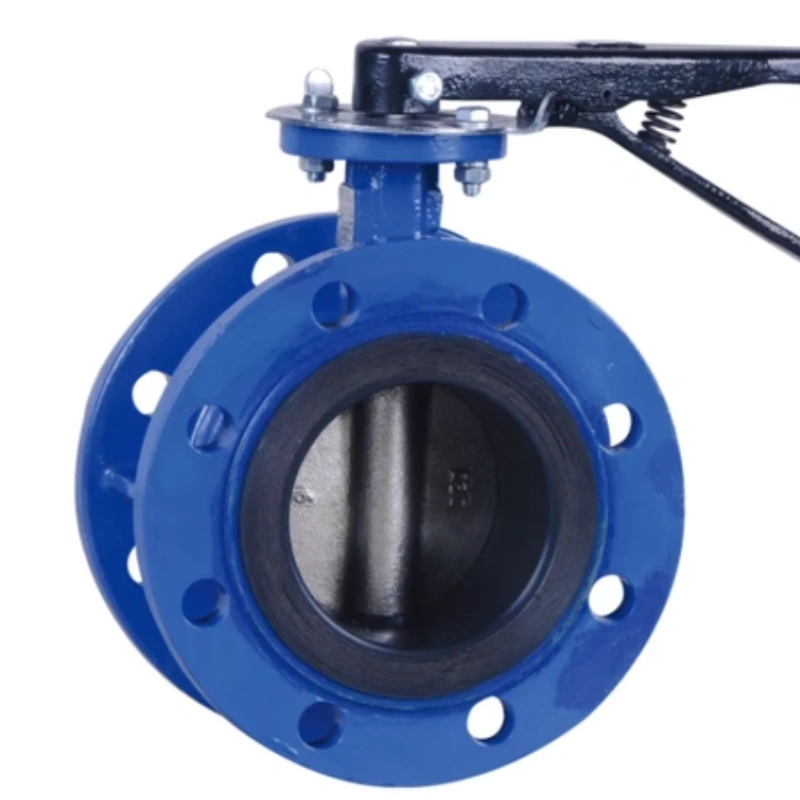
valve company
Valve Corporation, an iconic name in the gaming industry, has consistently set benchmarks in interac
Y Type Strainer Featuring Convenient Drain Valve for Efficient Fluid Filtration
Understanding Y-Type Strainers with Drain Valves In industrial settings, efficient fluid management
 English